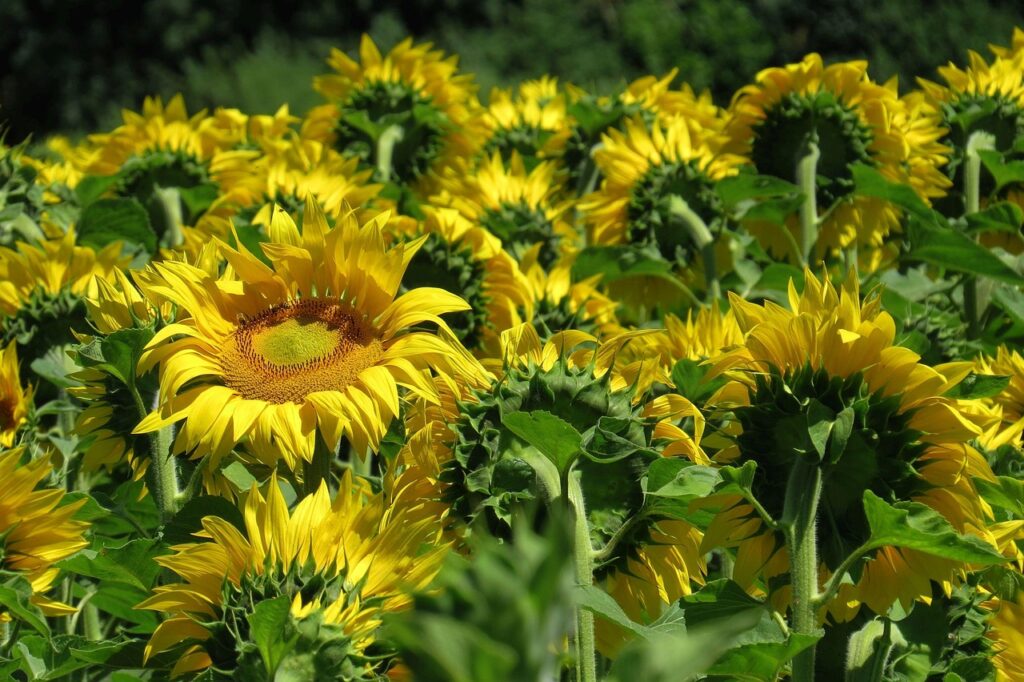
Sunflowers are a symbol of summer, warmth, and happiness. Known for their towering heights and vibrant blooms, sunflowers (Helianthus annuus) are a favorite among gardeners. Whether you’re growing them for their beauty, seeds, or as a backdrop to your garden, sunflowers are generally hardy plants that require minimal care. However, to ensure they thrive and reach their full potential, there are certain care tips and tricks every gardener should know.
Understanding Sunflowers
Sunflowers belong to the Asteraceae family and are native to North America. They can grow anywhere from a few feet tall to over 12 feet, depending on the variety. Their large, daisy-like flower heads, which can be up to 12 inches in diameter, are composed of bright yellow petals surrounding a central disk of florets. Sunflowers are heliotropic, meaning they turn their blooms to follow the sun throughout the day.
Choosing the Right Variety
Before planting, choose the right variety of sunflower for your garden. There are numerous types, each with unique characteristics:
Giant Sunflowers
These can reach heights of over 12 feet and produce large blooms. They are ideal for creating impressive garden displays or for harvesting seeds.
Dwarf Sunflowers
Perfect for smaller gardens or container planting, dwarf sunflowers grow to about 1-3 feet and have smaller, yet equally vibrant, blooms.
Colored Sunflowers
While traditional sunflowers are bright yellow, some varieties come in shades of red, orange, and even white.
Planting Sunflowers
The key to successful sunflower growth lies in proper planting. Here’s how to plant them for optimal health and growth:
Site Selection
Choose a location that receives full sun for at least 6-8 hours a day. Sunflowers thrive in well-draining soil, so avoid areas where water tends to pool after rain.
Soil Preparation
Sunflowers prefer slightly acidic to neutral soil with a pH of 6.0 to 7.5. Before planting, enrich the soil with organic matter such as compost to improve drainage and nutrient content.
Planting Seeds
Plant sunflower seeds directly into the ground after the last frost has passed and the soil has warmed to at least 50°F (10°C). Space the seeds 6 inches apart and 1-2 inches deep. For rows, maintain a distance of 2-3 feet between them.
Caring for Sunflowers
Once planted, sunflowers require minimal care but benefit from regular attention to thrive.
Watering
Sunflowers need consistent moisture, especially during their early growth stages. Water them deeply once a week, ensuring the soil is moist but not waterlogged. During prolonged dry periods, increase the frequency to prevent wilting.
Fertilizing
If your soil is rich in organic matter, additional fertilization may not be necessary. However, if the growth seems stunted, a balanced 10-10-10 fertilizer can be applied once the plants reach 1-2 feet in height. Avoid over-fertilizing, which can lead to weak stems and poor flowering.
Staking
For tall sunflower varieties, staking may be necessary to prevent the stems from bending or breaking, especially in windy conditions. Use bamboo stakes or other sturdy supports, tying the plant gently to the stake with soft ties.
Dealing with Pests and Diseases
Sunflowers are hardy, but they can still fall victim to pests and diseases. Here’s how to keep them healthy:
Common Pests
Aphids, caterpillars, and sunflower beetles are common pests. Regularly inspect your plants and remove pests by hand or use insecticidal soap if necessary.
Diseases
Fungal diseases such as downy mildew and rust can affect sunflowers. Prevent these by ensuring good air circulation and avoiding overhead watering. If you notice signs of disease, remove affected leaves promptly.
Harvesting Sunflowers
Depending on your purpose, sunflowers can be harvested for seeds or enjoyed as cut flowers:
Harvesting Seeds
Allow the flower heads to mature on the plant. Once the back of the head turns brown, cut the head with a portion of the stem and hang it upside down in a dry, airy location. Once dry, you can rub the seeds out of the head.
Cut Flowers
Cut sunflowers in the early morning when the blooms are just opening. Use a sharp knife or pruners and place them in water immediately to ensure freshness.
Conclusion
Sunflowers are a stunning addition to any garden, offering beauty, height, and utility. By choosing the right variety and providing them with proper care, you can enjoy a vibrant display of sunflowers throughout the growing season. Whether you’re a novice gardener or an experienced horticulturist, sunflowers are a rewarding plant that brings joy and color to your outdoor space.
With this guide, you’re now equipped with the knowledge to cultivate thriving sunflowers, ensuring they remain a highlight in your garden year after year.
#ChatGPT assisted in the creation of this article.