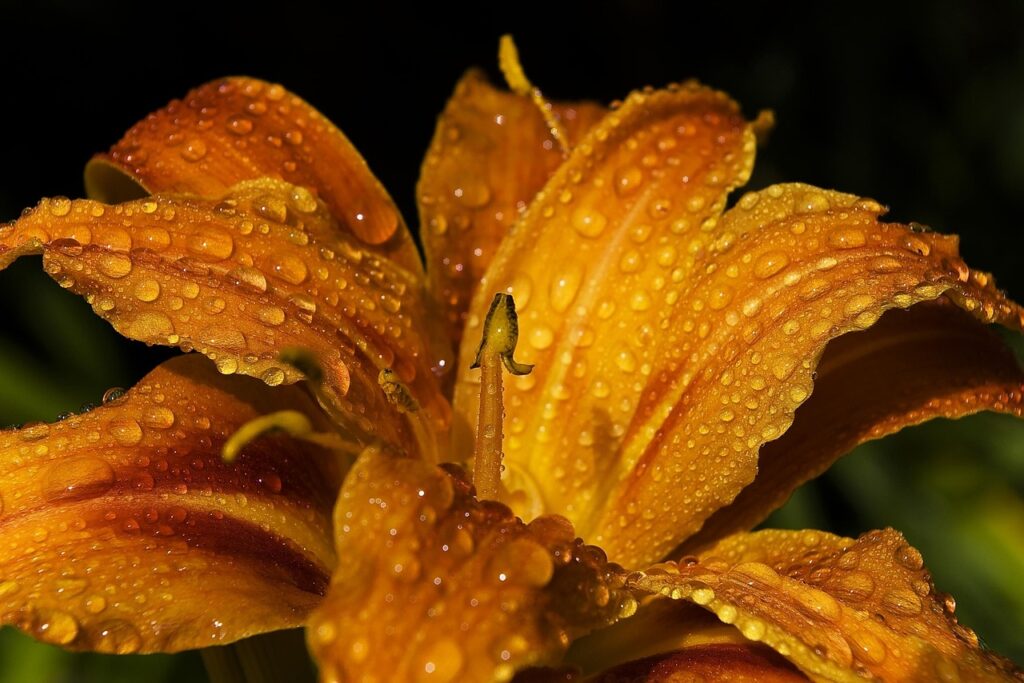
Lilies are one of the most beloved flowers in the world, cherished for their stunning blooms and sweet fragrance. Whether you’re growing them in your garden or nurturing them as houseplants, mastering lily care is essential for ensuring these beauties thrive. This comprehensive guide provides essential tips for successfully growing and maintaining lily flowers.
Understanding Lily Varieties
Before diving into care tips, it’s important to understand the different types of lilies. Lilies are part of the genus Lilium and can be broadly classified into several groups:
Asiatic Lilies
Asiatic lilies are known for their vibrant colors and upward-facing blooms. They are among the easiest lilies to grow, making them ideal for beginners.
Oriental Lilies
Oriental lilies are famous for their large, fragrant flowers. They bloom later in the season than Asiatic lilies and require slightly more care.
Trumpet Lilies
Trumpet lilies, as the name suggests, have trumpet-shaped blooms. They are tall and produce a strong scent, making them a striking addition to any garden.
Other Varieties
Other notable varieties include Martagon, Turk’s Cap, and Tiger lilies, each with unique characteristics and care requirements.
Planting Lilies
Correct planting techniques are crucial for the health and vitality of lily flowers. Here are some tips to help you plant lilies successfully:
Choosing the Right Location
Lilies prefer a sunny location, ideally receiving at least 6 to 8 hours of sunlight daily. However, in hotter climates, they benefit from some afternoon shade to prevent scorching.
Soil Preparation
Ensure the soil is well-draining, as lilies do not thrive in waterlogged conditions. Amend heavy clay soils with organic matter such as compost or peat moss to improve drainage.
Planting Depth and Spacing
Plant lily bulbs at a depth of about 6 to 8 inches, with the pointed end facing upward. Space the bulbs approximately 8 to 12 inches apart to allow for adequate air circulation.
Watering and Fertilizing Lilies
Proper watering and fertilization are key to healthy lily growth. Here’s how to do it right:
Watering
Lilies require consistent moisture but should not be overwatered. Water them deeply once a week, allowing the soil to dry slightly between waterings. Be cautious during rainy periods to prevent bulb rot.
Fertilizing
Apply a balanced, slow-release fertilizer in early spring as new growth emerges. Reapply every 4 to 6 weeks until the lilies bloom. Avoid high-nitrogen fertilizers, as they can promote excessive foliage growth at the expense of flowers.
Pruning and Deadheading
Pruning and deadheading are essential for maintaining the beauty and health of lily plants:
Deadheading
Remove spent flowers promptly to prevent the plant from directing energy into seed production. This encourages more blooms and extends the flowering period.
Pruning
Allow the foliage to die back naturally after the blooming season. The leaves provide nutrients to the bulb for the following year’s growth. Trim back dead stems in late fall or early spring before new growth appears.
Pest and Disease Management
Lilies are prone to certain pests and diseases, but proactive management can keep them thriving:
Common Pests
Aphids, red lily beetles, and slugs are common pests that can affect lilies. Regularly inspect plants and remove pests by hand or use insecticidal soap or neem oil for control.
Disease Prevention
Prevent fungal diseases such as botrytis blight by ensuring good air circulation and avoiding overhead watering. Remove and destroy infected plant material promptly.
Overwintering Lilies
In colder climates, overwintering lilies properly is essential to protect them from frost damage:
Mulching
Apply a thick layer of mulch around the base of the plants in late fall to insulate the bulbs from freezing temperatures.
Container Grown Lilies
If growing lilies in containers, move them to a sheltered area or indoors during the winter months to prevent the soil from freezing.
Propagating Lilies
Propagating lilies allows you to expand your collection and share these beautiful plants with others. Here are some methods to propagate lilies:
Division
After the lilies have finished flowering, carefully dig up the bulbs and separate the offsets. Replant the offsets immediately or store them in a cool, dry place until the next planting season.
Seed Propagation
While growing lilies from seed is a longer process, it can be rewarding. Sow lily seeds in a seed-starting mix and keep them moist. Transplant seedlings to their final location after they have developed a few sets of leaves.
Conclusion
Mastering lily flower care requires attention to detail and a commitment to providing the optimal conditions for growth. By understanding the unique needs of different lily varieties, ensuring proper planting, watering, and fertilizing, and protecting them from pests and diseases, you can enjoy a stunning display of these elegant flowers year after year. With these essential tips, you’re well on your way to becoming a lily care expert, bringing beauty and fragrance to your garden or home.
#ChatGPT assisted in the creation of this article.