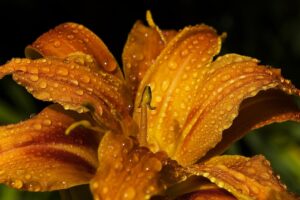
Flowers add beauty, fragrance, and a touch of nature to any space. Whether you’re growing a garden full of blooms or nurturing a single houseplant, understanding the basics of flower care is crucial for beginners. This guide will walk you through essential tips and techniques to help your flowers thrive, ensuring they remain vibrant and healthy.
Understanding Your Flower’s Needs
Before diving into flower care, it’s important to understand the specific needs of the flowers you’re growing. Different species have varying requirements in terms of light, water, soil, and temperature. Research the specific flowers you have to tailor your care routine accordingly.
Light Requirements
Most flowers require ample sunlight to grow and bloom. However, the amount and intensity of light can vary. Some flowers, like sunflowers, thrive in direct sunlight, while others, like begonias, prefer partial shade. Observe how the sunlight moves across your space and position your flowers where they receive the appropriate amount of light.
Watering Techniques
Proper watering is crucial for flower health, but overwatering is a common mistake among beginners. The key is to water deeply but infrequently, allowing the soil to dry out between waterings. Check the moisture level by sticking your finger an inch into the soil; if it’s dry, it’s time to water. Use a watering can with a narrow spout to direct water to the base of the plant, avoiding the leaves to prevent fungal diseases.
Soil and Fertilization
The right soil can make a significant difference in flower growth. Most flowers thrive in well-draining soil. You can improve drainage by adding organic matter such as compost or peat moss. Fertilize your flowers during the growing season with a balanced, water-soluble fertilizer. Be mindful not to over-fertilize, as it can lead to excessive foliage growth at the expense of blooms.
Temperature and Humidity
Temperature and humidity levels can greatly influence a flower’s health. While most flowers prefer moderate temperatures, sudden changes can stress the plants. Protect your flowers from extreme heat or cold by moving potted plants indoors during harsh weather. Humidity-loving flowers, such as orchids, may require occasional misting to thrive.
Practical Flower Care Tips
Regular Pruning
Pruning is an essential technique to promote healthy growth and encourage more blooms. Remove dead or yellowing leaves and spent flowers to redirect energy to new growth. Use clean, sharp scissors or pruning shears to make clean cuts and prevent damage to the plant.
Pest and Disease Management
Flowers can be susceptible to pests and diseases. Regularly inspect your plants for signs of trouble, such as discolored leaves, holes, or sticky residue. For pest control, consider using natural remedies like neem oil or insecticidal soap. If a plant appears diseased, isolate it to prevent the spread and consult a garden center for treatment options.
Repotting and Transplanting
As your flowers grow, they may outgrow their containers or need fresh soil. Repotting provides more space for roots to develop and access to fresh nutrients. Choose a pot that is one size larger than the current one, and gently loosen the roots before placing the plant in the new soil. For garden flowers, transplanting may be necessary to give them more space or better growing conditions.
Creating the Ideal Flower Environment
Indoor Flower Care
For indoor flowers, creating the right environment is key to their success. Choose a location with adequate light, away from drafts or heat sources. Use a humidity tray or humidifier to maintain optimal moisture levels, especially during winter months when indoor air can be dry.
Outdoor Flower Care
Outdoor flowers benefit from being in their natural environment. Ensure your garden has well-prepared soil and is free from weeds that compete for nutrients. Mulching around your flowers can help retain moisture and regulate soil temperature. Be mindful of the local climate and choose flowers that are well-suited to your region’s growing conditions.
Troubleshooting Common Flower Problems
Wilting
Wilting is often a sign of water stress. Check the soil moisture and adjust your watering routine accordingly. If the soil is waterlogged, improve drainage, and consider repotting the plant if necessary.
Yellowing Leaves
Yellowing leaves can indicate overwatering, nutrient deficiency, or pest issues. Review your watering schedule and ensure your flowers receive balanced nutrition. Inspect the plant for pests and take appropriate action if needed.
Stunted Growth
If your flowers are not growing as expected, they may need more light, nutrients, or space. Evaluate their environment and make adjustments to light exposure, fertilization, and pot size to encourage healthy growth.
Conclusion
Caring for flowers can be a rewarding and fulfilling hobby. By understanding the specific needs of your flowers and providing the right environment, you can enjoy vibrant blooms and healthy plants. Remember that patience and observation are key; each plant is unique and may require slight adjustments in care. With this guide, beginners are well-equipped to embark on their flower care journey, turning any space into a blooming paradise.
#ChatGPT assisted in the creation of this article.