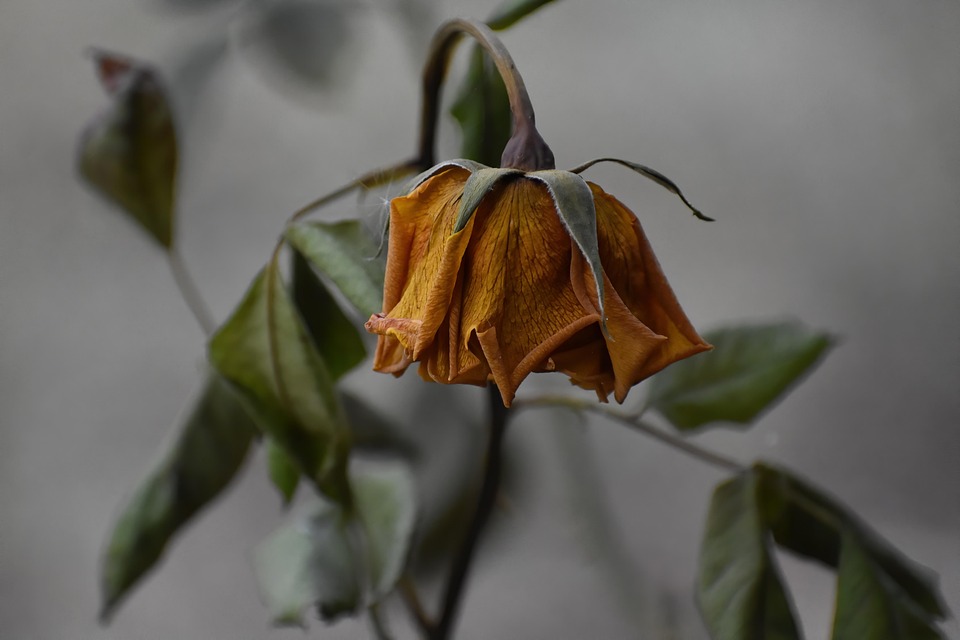
Flowers have been an integral part of human culture for centuries, symbolizing everything from love and sympathy to celebration and remembrance. However, one of the most disheartening sights is that of wilted flowers. Whether they’re in a vase on your kitchen table or growing in your garden, wilted flowers can be a source of frustration. Fortunately, with a bit of knowledge and care, you can often revive these blooms and extend their beauty. In this article, we will explore expert tips for breathing new life into wilted flowers, ensuring you can enjoy their vibrant colors and sweet fragrances for as long as possible.
Understanding Why Flowers Wilt
Before diving into revival techniques, it’s important to understand why flowers wilt in the first place. Several factors can contribute to wilting, including:
Dehydration
One of the most common reasons flowers wilt is due to lack of water. Flowers need a constant supply of water to maintain their turgidity and stay upright.
Temperature Stress
Extreme temperatures, whether too hot or too cold, can cause flowers to wilt. High temperatures increase water evaporation, while cold temperatures can damage delicate tissues.
Ethylene Gas
Ethylene is a naturally occurring plant hormone that can cause flowers to age prematurely. It is often produced by fruits and vegetables, so keeping flowers away from these can prevent exposure.
Nutrient Deficiency
Flowers can wilt if they are not getting the nutrients they need from the water. This is especially true for cut flowers, which rely on vase water for sustenance.
Reviving Wilted Cut Flowers
Cut flowers are a popular way to bring nature indoors, but they do have a limited lifespan. Here are some expert tips to revive wilted cut flowers:
Trim the Stems
One of the first steps in reviving cut flowers is to trim the stems. Use a sharp knife or garden shears to cut at least one inch off the bottom of each stem at a 45-degree angle. This increases the surface area for water absorption and prevents the stem from sitting flat against the bottom of the vase.
Remove Excess Foliage
Leaves that are submerged in water can rot and produce bacteria, leading to premature wilting. Remove any foliage that will sit below the waterline in the vase to keep the water clean and bacteria-free.
Use Fresh Water and Flower Food
Refill the vase with fresh, lukewarm water and add flower food, which provides essential nutrients. If you don’t have flower food, a teaspoon of sugar and a few drops of bleach can act as a substitute, helping to nourish the flowers and keep the water clean.
Provide Adequate Support
Some flowers, such as roses or tulips, may need extra support to stand upright. Consider using floral wire or placing them in a narrow vase that supports their stems.
Cool Them Down
Place the flowers in a cool spot, away from direct sunlight and heat sources. This helps slow down the evaporation process and allows the flowers to rehydrate more effectively.
Reviving Wilted Garden Flowers
Garden flowers can also wilt due to environmental factors. Here are some strategies to revive them:
Water Deeply and Regularly
Ensure your garden flowers are getting enough water. Deep watering encourages roots to grow deeper, providing better access to moisture. Water early in the morning or late in the afternoon to minimize evaporation.
Shade from Intense Sunlight
If possible, provide temporary shade for flowers that are wilting due to intense sunlight. Use garden fabric, umbrellas, or strategically placed garden furniture to shield them during the hottest part of the day.
Mulch to Retain Moisture
Apply a layer of mulch around the base of your plants to help retain soil moisture and regulate temperature. Mulch also reduces competition from weeds, allowing flowers to access more nutrients.
Prune Dead or Damaged Parts
Remove any dead or damaged flowers and leaves to direct the plant’s energy towards recovery. Pruning can also improve air circulation, reducing the risk of fungal infections.
Common Mistakes to Avoid
When trying to revive wilted flowers, it’s important to avoid common mistakes that can do more harm than good:
Overwatering
While it’s important to provide water, overwatering can lead to root rot, especially in potted plants. Ensure proper drainage and allow the soil to dry out slightly between waterings.
Using Cold Water
Cold water can shock delicate flowers and slow down their revival process. Always use lukewarm water, as it’s more easily absorbed by the plant.
Ignoring the Environment
Pay attention to the environment surrounding your flowers. Drafts, air conditioning, and heat vents can all impact their health, so position them in a stable, comfortable location.
Conclusion
Reviving wilted flowers requires an understanding of the factors that contribute to wilting, as well as the implementation of targeted care strategies. By paying attention to their hydration, environment, and nutritional needs, you can often restore their beauty and vitality. Whether in a vase or the garden, these expert tips will help you enjoy fresh blooms for longer, ensuring that the natural elegance of flowers continues to brighten your space.
Additional Tips for Prolonging Flower Life
Beyond revival, there are several practices you can adopt to prolong the life of your flowers:
Regular Maintenance
Change the water in your vases every two to three days, recut the stems, and add fresh flower food. This keeps the environment clean and supportive for your blooms.
Proper Storage
If you’re not ready to display flowers immediately, store them in a cool, dark place. This slows down their metabolic rate, preserving their freshness until you’re ready to enjoy them.
Avoid Ethylene Sources
Keep flowers away from ripening fruits and vegetables, which emit ethylene gas. This gas accelerates the aging process in flowers, leading to quicker wilting.
Experiment with Preservatives
There are various homemade solutions and commercial preservatives available that can extend the life of cut flowers. Experiment to find what works best for your specific blooms.
By following these guidelines, you can ensure that your flowers remain a beautiful and vibrant part of your home or garden, providing joy and comfort with their presence.
#ChatGPT assisted in the creation of this article.