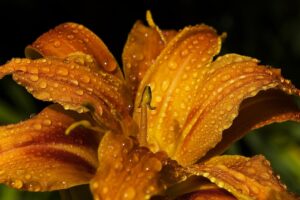
Fresh flowers can transform any space, bringing beauty, color, and fragrance into our homes and lives. However, their ephemeral nature often leaves us wishing they could last just a bit longer. Fortunately, there are several proven strategies to extend the life of your cut flowers. In this article, we’ll delve into these tips to help you enjoy your blooms for as long as possible.
Choosing Fresh Flowers
The journey to long-lasting blooms starts at the point of purchase. Selecting the freshest flowers can significantly impact their longevity. Always choose flowers that are yet to fully bloom. Bud stage flowers will open gradually and last longer than those already in full bloom. Check for firm stems and vibrant green leaves; these are indicators of a healthy plant. Avoid flowers with wilting petals or yellowing leaves.
Proper Preparation
Once you’ve brought your flowers home, proper preparation is crucial. Start by trimming the stems at a 45-degree angle under running water. This increases the surface area for water absorption and prevents air bubbles from blocking the stem. Remove any leaves that would be submerged in water to prevent bacterial growth. If the flowers came with a packet of flower food, dissolve it in the vase water according to the package instructions.
Ideal Water Conditions
Water quality plays a vital role in the longevity of cut flowers. Use lukewarm water as it is more readily absorbed than cold water. Change the water every two to three days, and clean the vase thoroughly to remove any bacteria. When changing the water, retrim the stems to ensure they continue to absorb water efficiently. Adding a few drops of bleach to the water can also help keep bacteria at bay.
Optimal Environment
The environment where you place your flowers is just as important as their preparation. Keep your flowers away from direct sunlight, heating vents, and drafts as these can accelerate wilting. Flowers thrive in cooler environments, so consider placing them in a cooler room or even refrigerating them overnight. Avoid placing flowers near ripening fruits, as fruits release ethylene gas which can shorten the life of your blooms.
Natural Preservatives
Besides commercial flower food, there are several household items that can act as natural preservatives. A teaspoon of sugar and a few drops of vinegar can mimic the effects of flower food by nourishing the flowers and balancing the pH of the water. Another effective solution is to add a crushed aspirin tablet to the water, which can help reduce bacterial growth and maintain water clarity.
Regular Maintenance
Regular maintenance of your flower arrangement can make a significant difference in its lifespan. Remove any dead or wilted flowers promptly to prevent decay from spreading to the healthy blooms. Keep an eye on the water level and refill as needed, ensuring that the stems are always submerged. Adjust your arrangement as necessary to give each flower adequate space and light.
Special Considerations for Different Flowers
Different flowers have unique care requirements. Roses, for example, benefit from a deeper vase with more water, while tulips continue to grow after being cut and may need to be trimmed more frequently. Lilies should have their pollen removed to prevent staining and ensure longevity. Research the specific needs of each flower type in your arrangement for tailored care tips.
Conclusion
Keeping flowers fresh longer is both an art and a science, requiring a blend of proper selection, preparation, and care. By following these proven tips, you can extend the beauty and vitality of your floral arrangements, bringing lasting joy and elegance to your surroundings. With a little effort, your flowers can continue to brighten your home long after they’ve been placed in a vase.
#ChatGPT assisted in the creation of this article.