Watering flowers might seem like a simple task, but doing it effectively requires both knowledge and a touch of art. Mastering the art of watering involves understanding your plant’s specific needs, the environment they are in, and how these factors interact. Whether you are a seasoned gardener or a budding enthusiast, learning the nuances of watering can significantly improve the health and beauty of your plants.
Understanding Plant Water Needs
Before delving into techniques, it’s crucial to understand that different plants have different water requirements. This variability is influenced by several factors, including plant species, stage of growth, potting medium, and environmental conditions.
Species-Specific Needs
Each plant species has its own water needs. For instance, succulents and cacti require far less water than tropical plants like ferns and orchids. Overwatering drought-tolerant plants can lead to root rot, while underwatering tropical plants can cause wilting and stunted growth.
Growth Stage Considerations
Plants have varying water needs at different stages of their lifecycle. Seedlings generally require more frequent watering than mature plants. During flowering or fruiting stages, plants may also need more water to support their increased metabolic activities.
Potting Medium and Drainage
The type of soil or potting medium significantly affects water retention. Well-draining soil is crucial for most plants to prevent water-logging, which can lead to root diseases. Ensure that your pots have adequate drainage holes to facilitate excess water runoff.
Environmental Factors
Environmental conditions play a critical role in how much and how often you should water your plants.
Temperature and Humidity
High temperatures and low humidity increase evaporation rates, necessitating more frequent watering. Conversely, cooler temperatures and higher humidity may reduce the need for water.
Sunlight Exposure
Plants in full sun may require more water than those in shaded areas due to increased evaporation. Be mindful of how much direct sunlight your plants receive, as this will influence their water needs.
Watering Techniques
Once you understand the water requirements of your plants, you can employ specific techniques to ensure they receive optimal hydration.
The Soak and Dry Method
This method involves thoroughly soaking the soil and allowing it to dry out before the next watering. It is particularly effective for most houseplants and helps prevent overwatering. To determine when to water again, check the top inch of soil; if it’s dry, it’s time to water.
Bottom Watering
Bottom watering is a technique where you place the plant pot in a tray of water and allow the soil to absorb moisture through the drainage holes. This method ensures even moisture distribution and encourages deeper root growth.
Using the Right Tools
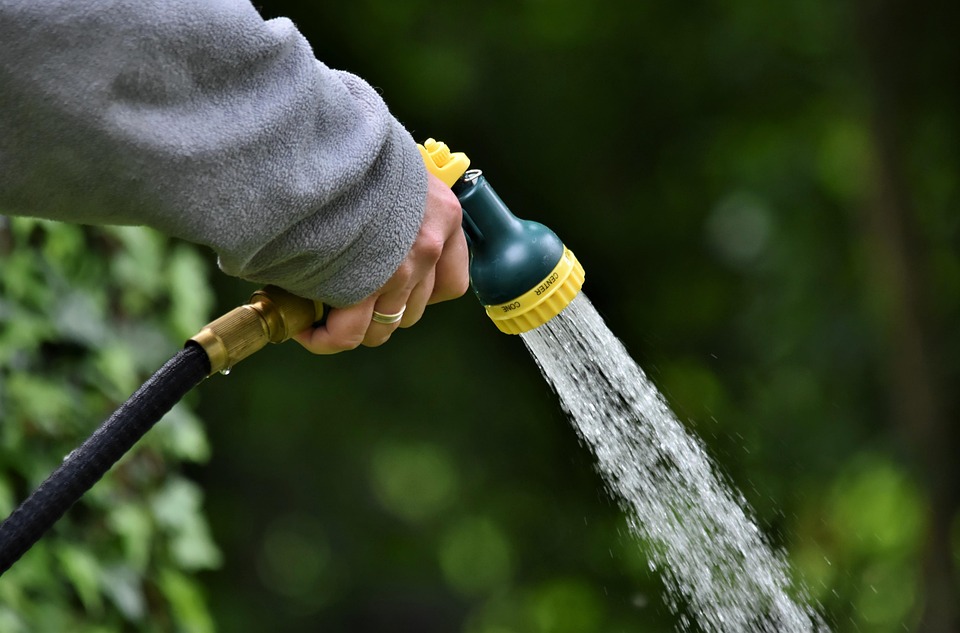
Investing in the right tools can make watering more efficient. A watering can with a long spout is perfect for reaching the base of plants, reducing water on foliage that may cause disease. For larger gardens, consider using a hose with a spray nozzle to control water pressure and distribution.
Timing Your Watering
When you water your plants can be just as important as how you do it.
Best Time of Day
Watering in the early morning is ideal as it allows plants to absorb moisture before the heat of the day increases evaporation rates. If morning watering is not possible, late afternoon is the next best time, ensuring foliage has time to dry before nightfall to prevent fungal diseases.
Seasonal Adjustments
Adjust your watering schedule according to the seasons. Plants typically require less water during the dormant winter months and more during the active growing seasons of spring and summer.
Signs of Incorrect Watering
Recognizing signs of overwatering or underwatering can help you adjust your watering practices accordingly.
Overwatering Symptoms
Symptoms of overwatering include yellowing leaves, a mushy stem base, and moldy soil. If you suspect overwatering, reduce the frequency and ensure proper pot drainage.
Underwatering Symptoms
Signs of underwatering include wilting, dry soil, and brown edges on leaves. Increase watering frequency, ensuring the soil is adequately moist but not soggy.
Water Quality Considerations
The quality of water you use can affect plant health. Tap water often contains chlorine and fluoride, which can be harmful to some plants. Consider using distilled or rainwater, especially for sensitive species. If using tap water, allow it to sit overnight so chemicals can dissipate.
Conclusion
Mastering the art of watering flowers effectively involves understanding the specific needs of your plants, using the right techniques and tools, and adjusting for environmental conditions. By paying attention to your plants’ signals and maintaining a consistent watering routine, you can cultivate a vibrant and flourishing garden. Remember, the key to successful watering is balance—neither too much nor too little, but just right.
#ChatGPT assisted in the creation of this article.