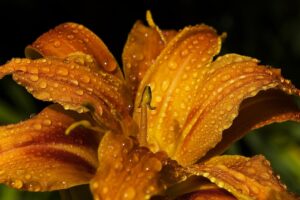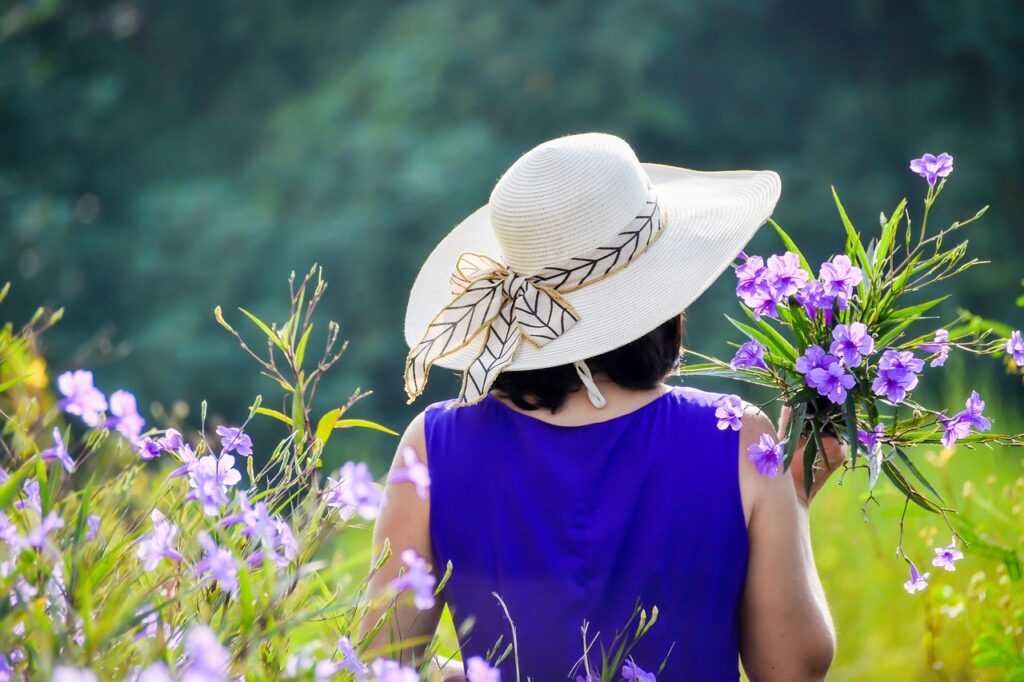
Caring for outdoor flowers can be a rewarding experience that brings beauty and joy to your garden. However, achieving a blooming success requires more than just planting and watering. It involves understanding the specific needs of different flower species, their environmental requirements, and the care techniques that can help them thrive. This article provides a comprehensive guide to mastering outdoor flower care, ensuring your garden bursts with vibrant blooms.
Understanding Your Flowers
Before diving into the specifics of flower care, it’s essential to understand the types of flowers you are growing. Flowers can generally be categorized into annuals, perennials, and biennials, each with its unique characteristics and care requirements.
Annuals
Annual flowers complete their life cycle in one growing season. They are known for their vibrant colors and are popular choices for gardeners who want to change their garden’s appearance yearly. Common annuals include marigolds, petunias, and zinnias.
Perennials
Perennials live for more than two years, returning season after season. They are a staple in many gardens due to their longevity and ability to provide structure to garden designs. Examples include coneflowers, daylilies, and hostas.
Biennials
Biennials take two years to complete their life cycle. In the first year, they grow leaves, stems, and roots, and in the second year, they bloom, seed, and die. Notable biennials include foxglove and hollyhock.
Choosing the Right Location
The location of your flower garden significantly impacts the growth and blooming of your flowers. Consider these factors when selecting a site:
Sunlight
Most flowers require full sun, which means at least six hours of direct sunlight per day. However, some varieties thrive in partial shade or full shade. Understanding your flowers’ sunlight needs is crucial for their growth.
Soil Quality
Good soil is the foundation of a healthy garden. Most flowers prefer well-draining soil rich in organic matter. Conduct a soil test to determine its pH and nutrient content, and amend it as necessary to suit your flowers’ needs.
Protection from Wind
Strong winds can damage delicate flowers and dry out the soil. Planting flowers in areas shielded from harsh winds, such as near a fence or hedges, can help protect them.
Planting and Watering Techniques
Proper planting and watering techniques are vital to ensure your flowers establish well and continue to thrive.
Planting
When planting flowers, follow these steps:
- Timing: Plant flowers at the right time of year for your climate. Spring and fall are generally the best seasons for planting.
- Spacing: Ensure adequate space between plants to allow for air circulation, reducing the risk of disease.
- Depth: Plant at the correct depth, which is usually at the same depth as in their nursery pots or seed packets’ instructions.
Watering
Watering is crucial, especially during the establishment phase. Consider these tips:
- Frequency: Water deeply but infrequently to encourage deep root growth. Generally, 1 inch of water per week is sufficient, but this can vary based on climate and soil type.
- Time of Day: Water in the early morning or late afternoon to minimize evaporation and fungal diseases.
- Method: Use soaker hoses or drip irrigation to deliver water directly to the roots, reducing water waste and leaf wetness that can lead to disease.
Feeding and Fertilizing
Flowers require nutrients to produce healthy blooms. Feeding and fertilizing are essential components of flower care.
Organic Matter
Incorporate organic matter such as compost or well-rotted manure into the soil to improve its fertility and structure. This also provides a slow-release source of nutrients.
Fertilizers
Use a balanced fertilizer with equal parts nitrogen, phosphorus, and potassium (N-P-K) to support overall flower growth. Some flowers may benefit from specialized fertilizers, such as those with higher phosphorus content for blooming.
Pest and Disease Management
Protecting your flowers from pests and diseases is crucial to maintaining their health and beauty.
Common Pests
Common garden pests include aphids, slugs, and caterpillars. Employ integrated pest management (IPM) strategies, such as introducing beneficial insects, using barriers, and applying organic insecticides when necessary.
Disease Prevention
Prevent diseases by ensuring proper spacing for air circulation, removing diseased plant material promptly, and choosing disease-resistant flower varieties. Fungicides may be used as a last resort.
Pruning and Deadheading
Regular pruning and deadheading can encourage more blooms and keep your garden looking tidy.
Pruning
Prune flowers to remove dead or damaged stems, encourage bushier growth, and improve air circulation. Timing and technique depend on the flower species.
Deadheading
Remove spent flowers (deadheading) to prevent seed formation and redirect the plant’s energy towards producing more blooms. This practice can extend the flowering period of many annuals and perennials.
Seasonal Flower Care
Adapting your flower care routine to the seasons ensures continuous blooming and plant health.
Spring
Spring is the time to plant new flowers, fertilize, and begin regular watering. Protect young plants from late frosts with cloches or row covers.
Summer
In summer, focus on watering, deadheading, and pest control. Mulch your garden to retain moisture and suppress weeds.
Fall
In the fall, prepare for winter by cutting back perennials, planting spring-blooming bulbs, and applying a layer of mulch for protection against cold temperatures.
Winter
During winter, protect tender perennials and bulbs with mulch or frost cloth. Plan your garden for the upcoming spring and clean and store your gardening tools.
Conclusion
Mastering outdoor flower care involves understanding the unique requirements of your flowers, providing them with the right environment, and employing proper planting, watering, feeding, pest management, and seasonal care techniques. By following these guidelines, you can ensure that your garden is a thriving oasis of color and beauty. Remember, patience and attention to detail are key to achieving blooming success. With dedication and effort, your garden will reward you with stunning blooms that captivate the senses and bring joy to your outdoor space.
#ChatGPT assisted in the creation of this article.