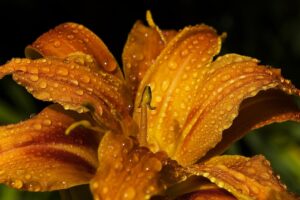
Indoor flowers can transform any space into a vibrant and lively environment, adding color, fragrance, and a touch of nature to your home. However, keeping these beautiful blooms healthy and thriving requires some knowledge and attention to detail. In this comprehensive guide, we will reveal essential tips for mastering indoor flower care, ensuring your plants flourish and enhance your living space.
Understanding Your Indoor Flowers
Before diving into the specifics of care, it is crucial to understand the types of flowers you are dealing with. Indoor flowers can range from tropical plants, such as orchids and bromeliads, to more common varieties like African violets and geraniums. Each type has unique requirements, so knowing your flowers’ specific needs is the first step in providing optimal care.
Identifying Flower Types
Start by identifying the species of your indoor flowers. This can be done by consulting gardening books, using plant identification apps, or seeking advice from local garden centers. Once you have identified your plants, research their specific needs in terms of light, water, temperature, and humidity.
Providing Adequate Light
Light is one of the most critical factors in indoor flower care. The right amount and quality of light can significantly affect your flowers’ growth and blooming potential.
Natural vs. Artificial Light
Most indoor flowers thrive in natural light, but the intensity and duration can vary. South-facing windows typically offer the most light, while north-facing windows provide the least. If natural light is insufficient, consider using artificial grow lights, which can mimic the sunlight spectrum and ensure your flowers receive enough light.
Adjusting Light Exposure
Monitor your plants for signs of light stress, such as yellowing leaves (indicating too much light) or leggy growth (indicating too little light). Adjust their placement accordingly, ensuring they receive the optimal amount of light without causing damage.
Watering Your Indoor Flowers
Watering is another fundamental aspect of indoor flower care. The key is to provide enough moisture without overwatering, which can lead to root rot and other issues.
Understanding Water Needs
Different flowers have varying water requirements. Some, like succulents, prefer drier conditions, while others, like ferns, thrive in consistently moist soil. Research your specific flowers to understand their watering needs and adjust your routine accordingly.
Proper Watering Techniques
Use room-temperature water and water your plants thoroughly until it drains from the bottom of the pot. This ensures that the entire root system receives moisture. Allow the soil to dry slightly between waterings, but avoid letting it become bone dry, as this can stress the plant.
Maintaining Optimal Temperature and Humidity
Indoor flowers are sensitive to temperature and humidity changes. Maintaining a stable environment will help them thrive.
Ideal Temperature Ranges
Most indoor flowers prefer temperatures between 65°F and 75°F (18°C to 24°C) during the day and slightly cooler at night. Avoid placing them near drafts, heaters, or air conditioning vents, as these can cause fluctuations that stress the plants.
Managing Humidity Levels
Many indoor flowers, especially tropical varieties, benefit from higher humidity levels. If your home is dry, consider using a humidifier or placing a tray of water near your plants to increase humidity. Misting the leaves can also help, but be cautious with flowers like African violets, which do not appreciate water on their leaves.
Feeding Your Indoor Flowers
Fertilizing your indoor flowers provides them with essential nutrients for growth and blooming. Proper feeding can make a significant difference in the health and vibrancy of your plants.
Choosing the Right Fertilizer
Select a balanced, water-soluble fertilizer specifically designed for flowering plants. The N-P-K ratio (nitrogen-phosphorus-potassium) should support blooming, with higher phosphorus content. Follow the packaging instructions for dilution and application frequency.
Feeding Schedule
Feed your indoor flowers during their growing season, typically spring and summer, and reduce feeding during the dormant period in fall and winter. Over-fertilizing can harm your plants, so always err on the side of caution.
Pruning and Deadheading
Regular pruning and deadheading (removing spent blooms) are essential practices for promoting healthy growth and prolonging flowering.
Pruning Techniques
Use clean, sharp scissors or pruning shears to remove dead or damaged leaves and stems. This encourages new growth and prevents the spread of disease. Prune your plants to maintain their shape and size, and remove any crossing branches to improve air circulation.
Deadheading for Continued Blooming
Regularly remove spent flowers by pinching or cutting them off just above a set of healthy leaves. This encourages the plant to produce more blooms and prevents it from expending energy on seed production.
Repotting and Soil Care
Repotting your indoor flowers is crucial for their health, providing fresh soil and more space for root growth.
When to Repot
Repot your plants when they become root-bound, evident by roots growing out of the drainage holes or circling the pot’s surface. Spring is the best time for repotting, as it coincides with the growing season.
Choosing the Right Soil
Select a high-quality potting mix that suits your specific flowers. For most indoor plants, a well-draining, peat-based mix works well. Add perlite or sand to improve drainage if necessary. Avoid using garden soil, as it can compact and hinder root growth.
Pest and Disease Management
Indoor flowers can be susceptible to pests and diseases, but with vigilance and proper care, you can prevent and manage these issues effectively.
Common Pests and Solutions
Common indoor plant pests include aphids, spider mites, and mealybugs. Inspect your plants regularly and address infestations promptly. Use insecticidal soap or neem oil for treatment, and isolate affected plants to prevent the spread.
Preventing Disease
Prevent fungal and bacterial diseases by ensuring good air circulation and avoiding waterlogged soil. Remove any diseased plant material immediately and sanitize your tools to prevent contamination.
Conclusion
Mastering indoor flower care involves understanding your plants’ unique needs and providing them with the right environment to thrive. By following these essential tips, you can ensure your indoor flowers remain healthy, vibrant, and a source of joy in your home. With proper light, water, temperature, and attention to detail, your indoor garden will flourish, bringing beauty and harmony to your living space.
#ChatGPT assisted in the creation of this article.