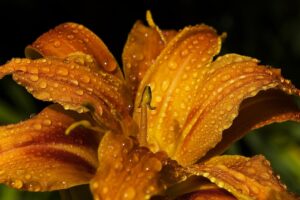
Flowers have a unique ability to brighten up any space, bringing color, fragrance, and life into our homes. However, to maintain their beauty and freshness, cut flowers require proper care. Whether you’re dealing with roses, lilies, or daisies, understanding the principles of cut flower care can significantly extend their lifespan and enhance their appearance. This comprehensive guide will equip you with essential tips and techniques to enjoy your blooms for as long as possible.
The Importance of Proper Cut Flower Care
Proper care of cut flowers is not just about aesthetics; it is also about preserving the effort and resources that went into growing and harvesting them. Flowers are a testament to nature’s beauty, and by caring for them correctly, we can honor that beauty while ensuring that we get the most value out of our floral arrangements. Additionally, well-cared-for flowers can improve mood and ambiance, making any setting feel more welcoming and vibrant.
Choosing the Right Flowers
Consider the Season
One of the first steps in ensuring long-lasting blooms is choosing the right flowers. Seasonal flowers are often fresher, more vibrant, and longer-lasting because they are grown under optimal conditions. Familiarize yourself with seasonal availability to select the best blooms for your arrangements.
Inspect for Freshness
When purchasing or picking flowers, inspect them carefully. Look for flowers with firm petals, vibrant colors, and no signs of wilting or browning. Choose flowers with buds that are just beginning to open, as these will last longer than fully open blooms.
Preparation: The Key to Longevity
Trim the Stems
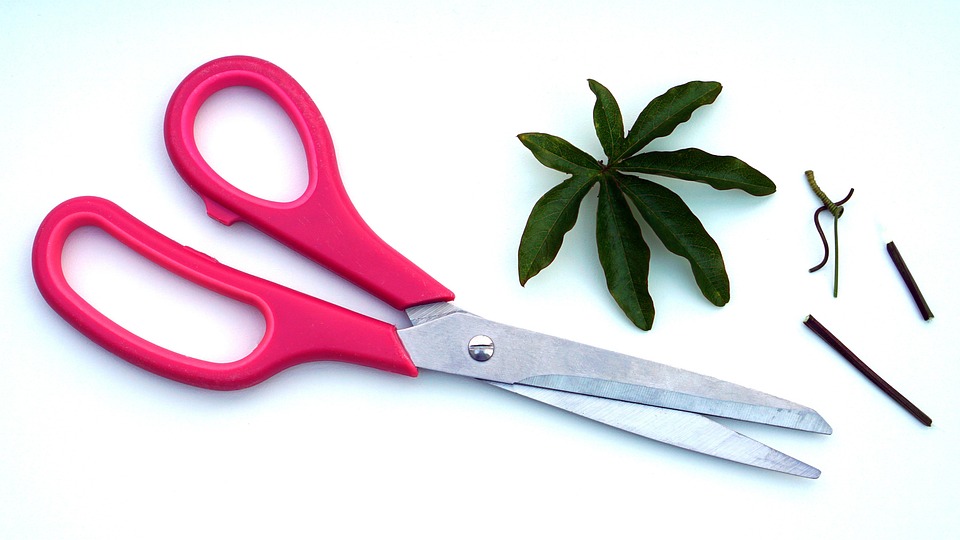
Proper stem trimming is crucial for prolonging the life of cut flowers. Use a sharp, clean pair of scissors or a knife to cut the stems at a 45-degree angle. This increases the surface area for water absorption and prevents the stems from sitting flat on the bottom of the vase, which can impede water uptake.
Remove Foliage
Remove any leaves that will be submerged in water. Leaves left in the water can rot and promote bacterial growth, which shortens the lifespan of the flowers. By keeping the water clean, you reduce the risk of bacterial contamination.
Use Clean Vases
Always start with a clean vase to prevent the introduction of bacteria. Wash your vase with soap and hot water, and consider using a small amount of bleach to ensure it is thoroughly sanitized. Rinse well to remove any cleaning residue.
Water and Nutrition
Use Fresh, Clean Water
Fill your vase with fresh, clean water. It’s essential to change the water every two to three days to prevent it from becoming stagnant and to reduce the risk of bacterial growth. When changing the water, rinse the vase and recut the stems for optimal water uptake.
Add Floral Preservatives
Floral preservatives can significantly extend the life of cut flowers. These preservatives typically contain a combination of nutrients, acidifiers, and antibacterial agents. They provide essential nutrients, maintain the water’s acidity, and inhibit bacterial growth. Follow the instructions on the preservative packet for the correct dosage.
Environmental Factors
Temperature and Light
Flowers thrive in cool temperatures, ideally between 65-72°F (18-22°C). Keep your arrangements away from direct sunlight, heating vents, and drafts, which can cause the flowers to wilt more quickly. At night, consider placing your flowers in a cooler area to help them last longer.
Avoid Ethylene Gas
Many fruits, such as bananas and apples, release ethylene gas, which accelerates the aging process of flowers. Keep your arrangements away from fruit bowls and areas where ethylene-producing foods are stored.
Special Care for Different Types of Flowers
Roses
Roses are a popular choice for cut flowers, but they require specific care. Remove any guard petals (the outer petals) to encourage the bloom to open. Ensure the water level is high enough to cover the bottom half of the stems, and recut the stems every few days to improve water uptake.
Lilies
For lilies, remove the pollen-covered stamens to prevent staining and extend the life of the flower. Lilies prefer cooler temperatures, so keep them in a cool spot away from direct sunlight.
Daisies
Daisies are relatively low-maintenance but still benefit from regular water changes and stem recuts. Ensure the water is clean and free of debris, and place them in a well-lit area with indirect sunlight.
Reviving Wilted Flowers
Rehydration Techniques
If your flowers begin to wilt, try rehydrating them by submerging the stems in lukewarm water for a few hours. For more severe wilting, consider submerging the whole flower in water for 30 minutes to an hour to revive it.
Use of Sugar and Vinegar
To revive wilted flowers, try adding a teaspoon of sugar and a few drops of vinegar to the vase water. The sugar provides nutrients, while the vinegar helps maintain the water’s acidity and reduces bacterial growth.
Conclusion
Mastering the art of cut flower care involves understanding the needs of each type of flower and providing an environment that promotes longevity. By selecting fresh, seasonal blooms and following the proper care techniques, you can enjoy the beauty and fragrance of your floral arrangements for days or even weeks. Remember that the key to long-lasting flowers is consistent attention to water quality, temperature, and nutrition. With these tips in mind, you can ensure that your cut flowers remain a vibrant and delightful presence in your home.
#ChatGPT assisted in the creation of this article.