
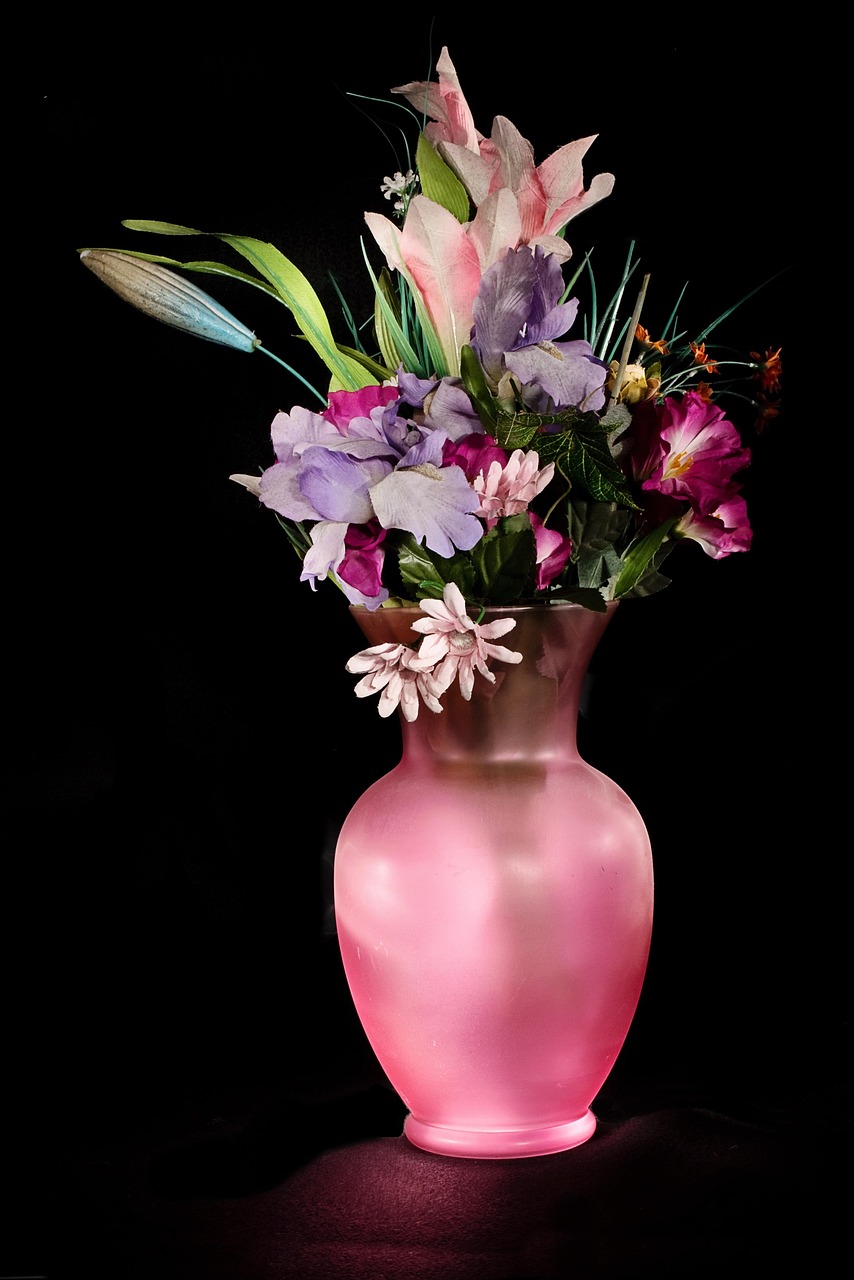
Flower arranging is an art form that combines creativity, aesthetics, and precision to create stunning floral displays. Whether for a wedding, a corporate event, or simply to brighten a room, mastering professional flower arranging requires an understanding of design principles, color theory, and the characteristics of different flowers. This comprehensive guide will walk you through the essentials of flower arranging, helping you transform blooms into beautiful masterpieces.
The Basics of Flower Arranging
Understanding Design Principles
Before delving into the specifics of flower arranging, it’s crucial to grasp the fundamental design principles that underpin any stunning display. These include balance, proportion, harmony, and rhythm. Balance refers to the visual stability of an arrangement, while proportion involves the relationship between the size of the flowers and the size of the container. Harmony ensures that all elements work together cohesively, and rhythm guides the viewer’s eye through the arrangement.
Color Theory in Floristry
Color is one of the most powerful tools in a florist’s toolkit. Understanding color theory can help you create arrangements that evoke specific emotions and complement their surroundings. The color wheel is a helpful guide, showing relationships between colors. Complementary colors (those opposite each other on the wheel) can create vibrant contrasts, while analogous colors (those next to each other) offer a more harmonious and serene effect.
Choosing the Right Flowers
Seasonality and Availability
The availability of certain flowers depends largely on the season. Working with seasonal blooms not only ensures freshness and sustainability but also aligns your arrangements with the natural beauty of the time of year. For example, spring is perfect for tulips and daffodils, while autumn is rich with dahlias and chrysanthemums.
Flower Characteristics and Meanings
Each flower has unique characteristics and meanings that can influence your arrangement. For instance, roses symbolize love and passion, lilies represent purity and renewal, and sunflowers convey warmth and positivity. Understanding these meanings allows you to tailor your arrangements to specific occasions and messages.
Techniques for Stunning Flower Arrangements
Preparing Your Flowers
Proper preparation is crucial for the longevity and appearance of your flowers. Start by trimming the stems at a 45-degree angle to increase water absorption. Remove any leaves that will be submerged in water to prevent bacterial growth. Hydrate your flowers in a cool, clean environment before arranging.
Building the Structure
Establishing a strong structure is essential for creating a stable and visually appealing arrangement. Begin with a base of greenery to provide support and texture. Use floral foam or a floral frog to secure your stems in place if needed. Gradually add flowers, starting with larger blooms and filling in with smaller ones, maintaining balance and proportion throughout.
Creating Different Styles of Arrangements
Traditional Arrangements
Traditional flower arrangements focus on symmetry and classic design principles. They often feature a focal point surrounded by complementary blooms and foliage. This style suits formal occasions and can add elegance to any setting.
Modern and Contemporary Designs
Modern arrangements break away from traditional symmetry, embracing asymmetrical shapes and bold color contrasts. They often feature minimalistic designs with a focus on texture and line. This style is perfect for those who want to make a statement with their arrangements.
Wild and Natural Arrangements
For a more organic and relaxed look, wild and natural arrangements mimic the beauty of nature. They incorporate a variety of textures and flower types, often with loose, flowing designs. This style is ideal for rustic weddings and casual events.
Advanced Flower Arranging Techniques
Layering and Grouping
Layering involves arranging flowers at different heights and depths to create a sense of dimension and movement. Grouping similar flowers together can enhance their impact and create visual interest. Experiment with different combinations to find the perfect balance.
Incorporating Unconventional Elements
Adding unexpected elements like branches, fruits, or even feathers can elevate your arrangement and make it truly unique. These elements can introduce new textures and colors, adding a dynamic and artistic flair to your design.
Tips for Long-lasting Arrangements
Maintaining Freshness
To extend the life of your flower arrangements, change the water regularly and re-trim the stems every few days. Keep the arrangement away from direct sunlight, heat sources, and drafts. Adding a floral preservative to the water can also help maintain freshness.
Reviving Wilted Flowers
If some flowers start to wilt, remove them promptly to prevent affecting the rest of the arrangement. For slightly wilted blooms, try submerging them in cool water for a few hours to revive them.
Conclusion
Mastering the art of flower arranging requires practice, patience, and a keen eye for detail. By understanding design principles, color theory, and the unique characteristics of different flowers, you can create stunning displays that captivate and inspire. Whether you prefer traditional elegance, modern minimalism, or wild natural beauty, the possibilities are endless. With creativity and skill, you can transform simple blooms into extraordinary works of art.
#ChatGPT assisted in the creation of this article.


