
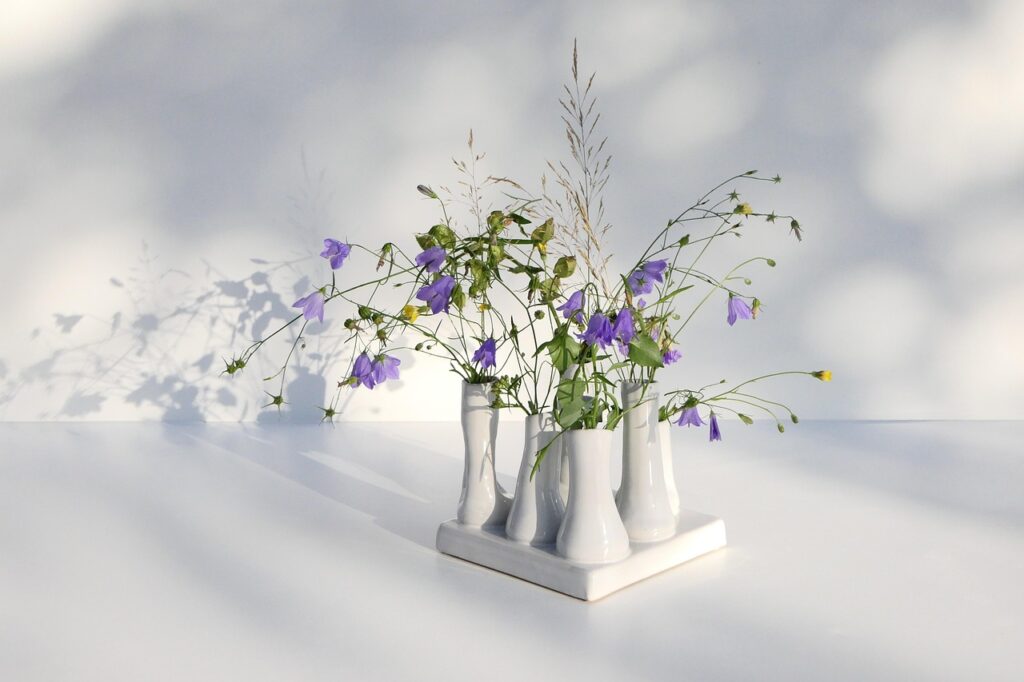
Floral arrangements have long been a cherished art form, bringing beauty and elegance to any setting. As trends evolve, florists and enthusiasts alike seek innovative design ideas to create stunning floral displays. This article explores some cutting-edge concepts that can elevate your floral arrangements to the next level, blending tradition with modernity to captivate any audience.
### Embracing Asymmetry
In recent years, asymmetrical floral designs have gained popularity for their dynamic and visually intriguing compositions. Unlike traditional symmetrical arrangements, asymmetrical designs offer a sense of movement and spontaneity. By playing with varying heights, shapes, and textures, you can create a more organic and natural look.
Consider using a mix of flowers with different stem lengths, complemented by lush greenery and unique foliage. This approach allows each bloom to stand out while contributing to an overall harmonious display. Asymmetrical arrangements are ideal for modern spaces and can serve as striking centerpieces at events.
### Incorporating Unconventional Containers
The choice of container can significantly influence the impact of a floral arrangement. Moving beyond the classic vase, consider using unconventional containers to add a unique twist to your display. Vintage teapots, repurposed tins, wooden boxes, or even hollowed-out fruits and vegetables can serve as creative vessels for your blooms.
When selecting a container, think about its color, texture, and how it complements the flowers you’ve chosen. The container should enhance the overall composition without overshadowing the blooms. This approach allows you to recycle and upcycle materials, adding an eco-friendly element to your design.
### Playing with Color Palettes
Color is a powerful tool in floral design, capable of evoking emotions and setting the tone for an entire space. Innovative floral arrangements often experiment with bold and unexpected color palettes. Instead of sticking to traditional pastel or monochromatic themes, consider incorporating contrasting or complementary colors for a more dramatic effect.
Try using a gradient of colors, blending from light to dark within the same arrangement, or opt for an ombre effect. Another idea is to choose a base color and introduce pops of a contrasting hue to create visual interest. Remember, the key is balance—too many colors can overwhelm, while too few can lack impact.
### Introducing Texture and Layers
Texture adds depth and dimension to floral arrangements, making them visually appealing and tactile. To achieve a textured look, combine a variety of blooms with different surface qualities—smooth, ruffled, spiky, or velvety. Pairing flowers with berries, pods, or even branches can create an intriguing contrast.
Layering is another technique to enhance texture. Start with a base of greenery, then gradually add layers of flowers, varying the sizes and types. This approach not only adds visual interest but also guides the viewer’s eye through the arrangement.
### Incorporating Dried and Preserved Elements
Dried and preserved flowers are making a comeback in floral design, offering a sustainable and long-lasting alternative to fresh blooms. These elements can be used alone or mixed with fresh flowers to create a textural contrast.
Dried flowers come in a range of colors and can be dyed to match your desired palette. They are perfect for creating arrangements that need to withstand time, such as wreaths or wall hangings. Preserved flowers, which maintain their natural appearance, offer the flexibility of fresh blooms with the longevity of dried ones.
### Designing with Movement in Mind
Floral arrangements are not static objects; they can convey a sense of movement and energy. To achieve this, consider the flow and direction of your design. Use flowers with curved stems, like calla lilies or tulips, to create arcs and lines that guide the eye.
Incorporating elements that gently sway or cascade, such as hanging amaranthus or ivy, can add a sense of fluidity. Movement can also be suggested through the repetition of shapes or colors, leading the viewer’s gaze through the arrangement.
### Utilizing Negative Space
Negative space, the area around and between the elements of a design, is crucial in creating a balanced and harmonious floral arrangement. Innovative designs often embrace negative space, allowing each element to breathe and be appreciated individually.
By strategically leaving certain areas empty, you can draw attention to the focal points of your arrangement. This technique is particularly effective in minimalist designs, where simplicity and elegance are key.
### Combining Fresh and Edible Elements
For a truly unique floral display, consider incorporating edible elements into your arrangement. Fruits, herbs, and even vegetables can add a surprising twist, both visually and olfactorily. Imagine the vibrant hues of citrus fruits paired with the earthy tones of rosemary or lavender.
Edible elements not only enhance the aesthetic appeal but can also engage other senses. This approach is especially fitting for events centered around food and dining, where the arrangement can complement the menu.
### Exploring Monobotanic Arrangements
Monobotanic arrangements focus on a single type of flower, allowing its unique characteristics to shine. This approach celebrates the beauty and diversity within a single species, showcasing various colors, sizes, and forms.
By using different cultivars of the same flower, you can create a cohesive yet varied display. This technique highlights the nuances of a particular bloom and can be a powerful statement of simplicity and elegance.
### Incorporating Artistic Themes
Floral arrangements can transcend their traditional role and become a form of artistic expression. Consider drawing inspiration from art movements or cultural themes to create a cohesive and meaningful display.
For example, a floral arrangement inspired by Impressionism might feature soft, blended colors and loose, flowing forms. Alternatively, a design based on Japanese Ikebana principles would emphasize simplicity, balance, and harmony with nature.
### Utilizing Technology in Floral Design
In the digital age, technology is increasingly being integrated into floral design. From 3D-printed vases to LED lighting, technology can add a futuristic touch to your arrangements.
LED lights can be used to subtly illuminate flowers from within, creating an ethereal glow. 3D printing allows for the creation of custom containers and supports that can complement or contrast with the organic forms of the flowers.
### Creating Interactive Displays
Interactive floral displays engage viewers on a deeper level, inviting them to touch, smell, or even rearrange elements. This approach is perfect for events or installations where audience participation is encouraged.
Consider creating a “build-your-own-bouquet” station, where guests can choose and arrange their own flowers. Alternatively, incorporate components that release fragrance when touched, adding an olfactory dimension to the experience.
### Eco-Friendly and Sustainable Practices
Sustainability is an increasingly important consideration in floral design. Innovative arrangements often incorporate eco-friendly practices, such as using locally sourced flowers, organic materials, and biodegradable containers.
Consider designing arrangements that can be repurposed or composted after use. Avoid floral foam, which is non-biodegradable, and instead use reusable mechanics like chicken wire or floral tape.
### Conclusion
Innovative floral design is about pushing boundaries and exploring new possibilities while respecting the traditions and principles that underpin the art form. By embracing asymmetry, experimenting with color and texture, and incorporating unconventional elements, you can create stunning displays that captivate and inspire.
Whether you’re crafting a centerpiece for a special event or designing a permanent installation, these innovative ideas offer a wealth of inspiration for creating memorable and striking floral arrangements. As you explore these concepts, remember that the most important element is your unique creativity and vision, which will bring your floral designs to life.
#ChatGPT assisted in the creation of this article.


