
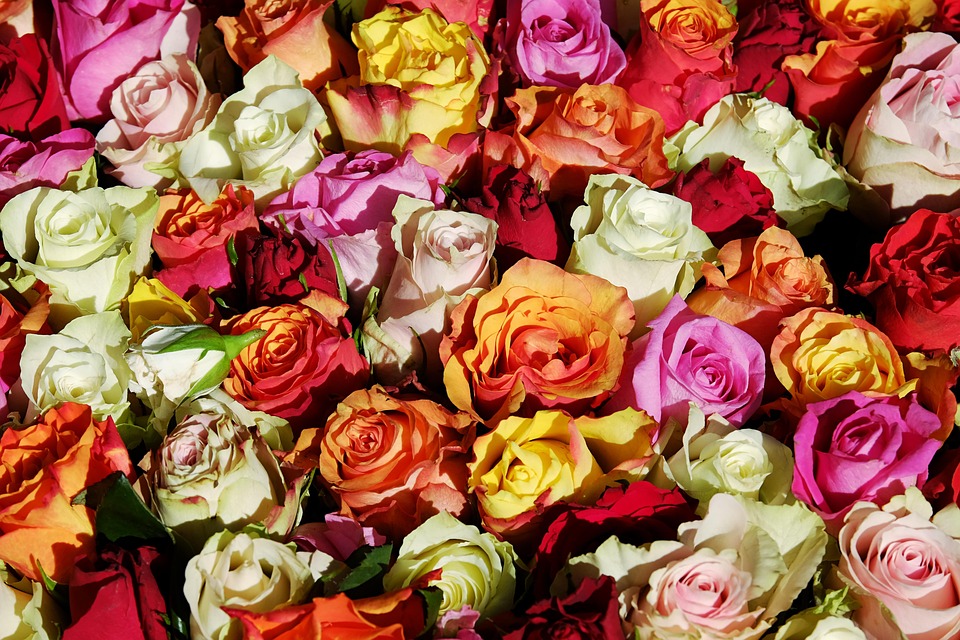
Floral arrangements have long been a staple in enhancing the ambiance of a space, whether it’s a home, an event venue, or a public space. They bring a touch of nature’s beauty indoors and can transform any setting into something truly special. In recent years, the art of floral arrangement has evolved, with designers experimenting with new techniques, materials, and styles. This article explores some innovative floral arrangement ideas that can create stunning displays, capturing attention and inspiring awe.
Understanding the Basics of Floral Design
Before diving into innovative ideas, it’s essential to understand the basics of floral design. A successful floral arrangement relies on several key principles:
– **Balance**: Achieving visual stability by distributing elements evenly.
– **Proportion**: Ensuring the size of the flowers and arrangement is appropriate for the setting.
– **Harmony**: Combining colors, shapes, and textures that complement each other.
– **Rhythm**: Creating movement within the arrangement to guide the viewer’s eye.
– **Focal Point**: Establishing a central area of interest.
These principles serve as a foundation upon which innovative ideas can be built, ensuring creativity does not compromise aesthetic appeal.
Innovative Floral Arrangement Ideas
1. Incorporating Non-Traditional Materials
One way to push the boundaries of floral design is by incorporating non-traditional materials. This can include elements like metal, glass, wood, or fabric. For instance, using copper or brass wires can add a metallic sheen and structure to arrangements. Glass can provide transparency and lightness, while wood can introduce a rustic, organic feel. These materials can be woven into the arrangement or used as a base, providing contrast and texture that enhance the flowers’ natural beauty.
2. Vertical Gardens and Living Walls
Vertical gardens, also known as living walls, are an innovative way to incorporate flowers into a space. These arrangements use a vertical surface to display plants and flowers, creating a lush, green tapestry. This approach is ideal for urban settings where space is limited, as it maximizes the use of available area. Living walls can be customized with a mix of flowering plants, foliage, and succulents, offering a dynamic and ever-changing display that captivates viewers.
3. Monochromatic Arrangements
While traditional floral arrangements often rely on a mix of colors, monochromatic designs focus on different shades of a single color. This can create a striking and sophisticated look. For example, an arrangement featuring various shades of pink—from pale blush to deep magenta—can be both elegant and bold. Monochromatic arrangements allow the designer to play with texture and form, highlighting the subtle variations within a single color palette.
4. Edible Floral Displays
Bringing an element of culinary art into floral design, edible floral displays incorporate flowers that are safe for consumption. This can be particularly appealing for events like weddings or garden parties, where the arrangement can serve dual purposes as both decoration and garnish. Edible flowers such as pansies, nasturtiums, and marigolds can add color and flavor to dishes, creating a multisensory experience for guests.
5. Sculptural Floral Art
Floral arrangements can transcend traditional bouquet forms to become sculptural works of art. By using techniques such as wire framing or floral foam sculpting, designers can create three-dimensional shapes that stand out in any space. These sculptures can take the form of abstract shapes, animals, or even human figures, offering a unique and artistic interpretation of floral design.
6. Seasonal and Locally Sourced Arrangements
Sustainability is becoming increasingly important in floral design, with many designers opting for seasonal and locally sourced flowers. This not only supports local growers but also ensures that the flowers are fresh and vibrant. Seasonal arrangements can reflect the time of year, incorporating elements like autumn leaves, spring blossoms, or winter evergreens. This approach also allows for a deeper connection to the natural world, as the arrangements change with the seasons.
Tips for Creating Innovative Floral Arrangements
1. Think Outside the Vase
Instead of using traditional vases, consider alternative containers for your arrangements. Vintage teapots, wooden crates, or even repurposed household items can serve as unique bases. This not only adds character but also challenges the designer to work with different shapes and sizes.
2. Experiment with Height and Depth
Playing with height and depth can add an element of surprise and interest to your arrangement. Use flowers of varying heights to create a layered effect, drawing the eye up and down. Incorporate trailing vines or cascading blooms to add depth and dimension.
3. Use Unconventional Color Combinations
Don’t be afraid to mix colors that traditionally might not be paired together. Bold and unexpected color combinations can make an arrangement stand out. Consider using a color wheel to explore complementary and analogous color schemes that can create a striking visual impact.
4. Incorporate Scent and Texture
A truly innovative floral arrangement appeals to multiple senses. Incorporate fragrant flowers and herbs like lavender, rosemary, or eucalyptus to add a sensory dimension. Additionally, play with texture by combining smooth petals with rough foliage or spiky branches.
Conclusion
The world of floral arrangement is rich with possibilities, offering endless opportunities for innovation and creativity. By exploring new materials, techniques, and concepts, designers can create stunning displays that captivate and inspire. Whether you’re a seasoned florist or a DIY enthusiast, embracing these innovative ideas can elevate your floral designs to new heights. Remember to consider the principles of floral design while allowing your creativity to flourish, resulting in arrangements that are both beautiful and unique.
#ChatGPT assisted in the creation of this article.


