
Weddings are significant milestones in people’s lives, and every couple dreams of making their ceremony unforgettable. One element that plays a crucial role in enhancing the beauty and ambiance of a wedding is the floral arrangement. Flowers serve as a timeless symbol of love and commitment, and when arranged thoughtfully, they can transform any venue into a magical setting. In this article, we will explore the art of exquisite wedding flower arrangements, offering insights into selecting, arranging, and maintaining floral displays that will leave a lasting impression on all who attend.
The Importance of Floral Arrangements in Weddings
Floral arrangements are more than just decorative elements; they are an expression of the couple’s personality, style, and theme of the wedding. They set the tone, add color, and create an atmosphere of elegance and romance. From the bridal bouquet to the table centerpieces, each arrangement contributes to the overall aesthetic of the ceremony, making it essential to choose the right flowers and designs that resonate with the couple’s vision.
Choosing the Right Flowers
Seasonal Considerations
One of the first steps in planning wedding flower arrangements is selecting flowers that are in season. Seasonal blooms are not only more affordable but also fresher and more vibrant. Spring weddings can benefit from tulips, lilies, and peonies, while summer ceremonies can feature sunflowers, roses, and dahlias. Autumn weddings can incorporate chrysanthemums and marigolds, and winter ceremonies can be adorned with poinsettias and holly.
Color Schemes
The color palette of the wedding plays a critical role in selecting flowers. Couples should consider the colors that will complement their wedding theme and attire. Soft pastels like blush pink, lavender, and cream are perfect for romantic and classic weddings, while bold colors like red, orange, and purple can add a dramatic flair to modern and bohemian styles.
Symbolic Meanings
Each flower carries a unique meaning, and incorporating blooms with symbolic significance can add a personal touch to the wedding. Roses symbolize love and passion, lilies represent purity and refined beauty, and sunflowers convey adoration and loyalty. Choosing flowers with meanings that resonate with the couple’s journey can make the arrangements even more special.
Designing Floral Arrangements
Bridal Bouquets
The bridal bouquet is one of the most significant floral arrangements in a wedding. It should reflect the bride’s personality and complement her dress. Traditional bouquets often feature roses and lilies, while modern designs might include succulents and wildflowers. Cascading bouquets offer a dramatic look, while hand-tied arrangements provide a more relaxed and natural feel.
Centerpieces
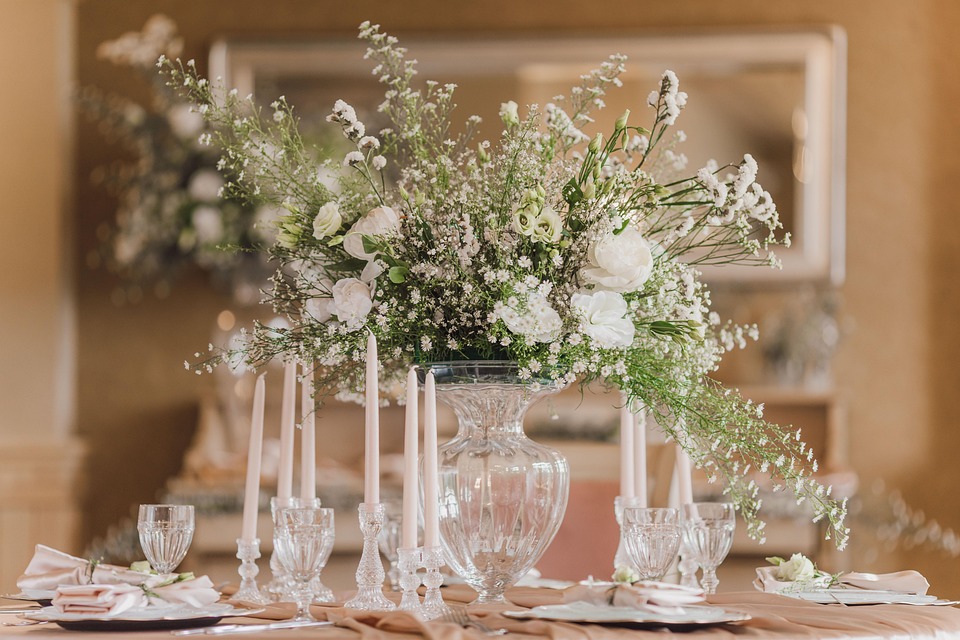
Table centerpieces are key elements that contribute to the reception’s ambiance. They should be designed to match the overall theme and not obstruct guests’ views. For round tables, a low arrangement in a circular shape works well, while long tables can be adorned with garlands or linear designs. Adding candles or lanterns can elevate the elegance of the centerpieces.
Ceremony Decor
The ceremony site is where the couple exchanges vows, making it essential to create a memorable setting. Floral arches, altar arrangements, and aisle decorations can enhance the beauty of the space. Arches adorned with roses and greenery create a romantic backdrop, while aisle markers with small bouquets or petals add a touch of elegance to the procession route.
Incorporating Unique Elements
Non-Traditional Blooms
Incorporating non-traditional blooms can add a unique twist to wedding arrangements. Consider using proteas, anthuriums, or orchids for a contemporary and exotic look. These flowers add texture and intrigue, making the arrangements stand out.
Foliage and Greenery
Greenery is an excellent way to add depth and volume to arrangements. Eucalyptus, ferns, and ivy are popular choices that complement most flowers. They can be used to create lush garlands, fill in bouquets, or drape over tables for a natural and organic look.
Personal Touches
Adding personal touches to floral arrangements can make them more meaningful. Including a family heirloom, such as a brooch or ribbon, in the bridal bouquet or choosing flowers that have personal significance can create a deeper connection to the arrangements. Personalized details such as handwritten tags or monogrammed vases can also enhance the overall look.
Maintaining Floral Arrangements
Preserving Freshness
To ensure that the arrangements look their best throughout the day, it is crucial to keep them fresh. Hydration is key; flowers should be kept in water whenever possible. Using floral foam soaked in water can help maintain moisture. Additionally, keeping arrangements in a cool, shaded area away from direct sunlight will prevent wilting.
Transporting Arrangements
Transporting floral arrangements to the venue requires careful planning. It’s important to use secure containers and boxes to prevent any damage during transit. Arrangements should be placed in a stable vehicle with climate control to maintain freshness. It’s advisable to have a team or a professional florist handle the setup to ensure the arrangements are displayed perfectly.
Post-Wedding Care
After the wedding, many couples choose to preserve their flowers as keepsakes. Pressing, drying, or even preserving flowers in resin are popular methods. Couples can also consider donating their arrangements to local hospitals or nursing homes to spread joy and beauty beyond their special day.
Conclusion
Exquisite wedding flower arrangements have the power to transform any ceremony into a memorable and enchanting experience. By carefully selecting flowers that reflect the couple’s style, considering unique elements, and maintaining their freshness, couples can create stunning displays that captivate guests and leave a lasting impression. Whether opting for classic elegance or modern creativity, the right floral arrangements will undoubtedly add beauty and significance to the celebration of love.
#ChatGPT assisted in the creation of this article.


