Pruning is an essential gardening practice that involves selectively removing parts of a plant to improve its health and encourage more vibrant blooms. While it may seem counterintuitive to cut away parts of your beloved plants, strategic pruning can enhance their beauty, longevity, and overall health. In this article, we’ll delve into the art and science of flower pruning, offering essential tips to ensure your garden flourishes with vibrant blooms.
Understanding the Purpose of Pruning
Pruning serves multiple purposes that contribute to the vitality of your flowering plants. Some of the key reasons to prune include:
– **Encouraging Growth**: Pruning stimulates the growth of new shoots, leading to a more vigorous and bushy plant.
– **Enhancing Flower Production**: By cutting back certain parts of the plant, you can direct the plant’s energy toward producing more and larger flowers.
– **Preventing Disease**: Removing dead or diseased plant material helps prevent the spread of pathogens and improves air circulation.
– **Shaping the Plant**: Pruning allows you to control the shape and size of the plant, making it more aesthetically pleasing and suitable for your garden space.
Types of Pruning
Different types of pruning serve distinct purposes, each with specific techniques and timing. Understanding these can help you make informed decisions about when and how to prune your flowering plants.
– **Deadheading**: This involves removing spent flowers to encourage the plant to produce more blooms. Deadheading can be done throughout the blooming season.
– **Thinning**: Removing some branches or stems to improve light penetration and air circulation. Thinning is often done in early spring or late winter.
– **Rejuvenation Pruning**: This is a more drastic form of pruning, cutting back a significant portion of the plant to rejuvenate old or overgrown plants. It’s typically done in late winter or early spring before new growth begins.
– **Maintenance Pruning**: Regularly trimming the plant to maintain its shape and health. This can be done throughout the growing season.
Timing Your Pruning
Timing is crucial when it comes to pruning flowering plants. The best time to prune depends on the type of plant and its blooming cycle.
– **Spring-Flowering Plants**: These plants bloom on the previous year’s growth, so they should be pruned immediately after blooming. Examples include lilacs, forsythia, and azaleas.
– **Summer-Flowering Plants**: These bloom on the current year’s growth and should be pruned in late winter or early spring before new growth begins. Examples include roses, hydrangeas, and butterfly bushes.
– **Perennials**: Many perennials benefit from being cut back in the fall after the first frost, while others prefer a spring pruning.
The Art of Pruning: Techniques and Tools
Mastering the art of pruning involves understanding the right techniques and using the appropriate tools. Here are some essential techniques and tools to help you achieve the best results.
Pruning Techniques
– **Pinching**: This involves using your thumb and forefinger to remove the tips of young shoots. Pinching encourages bushier growth and can be done throughout the growing season.
– **Cutting Back**: This technique involves cutting the plant back to a specific height. It’s often used for perennials and shrubs to encourage new growth.
– **Heading Cuts**: Making a cut just above a bud or branch encourages growth in a specific direction. This is useful for shaping the plant.
– **Thinning Cuts**: Removing an entire branch or stem at its point of origin to improve air circulation and light penetration.
Essential Pruning Tools
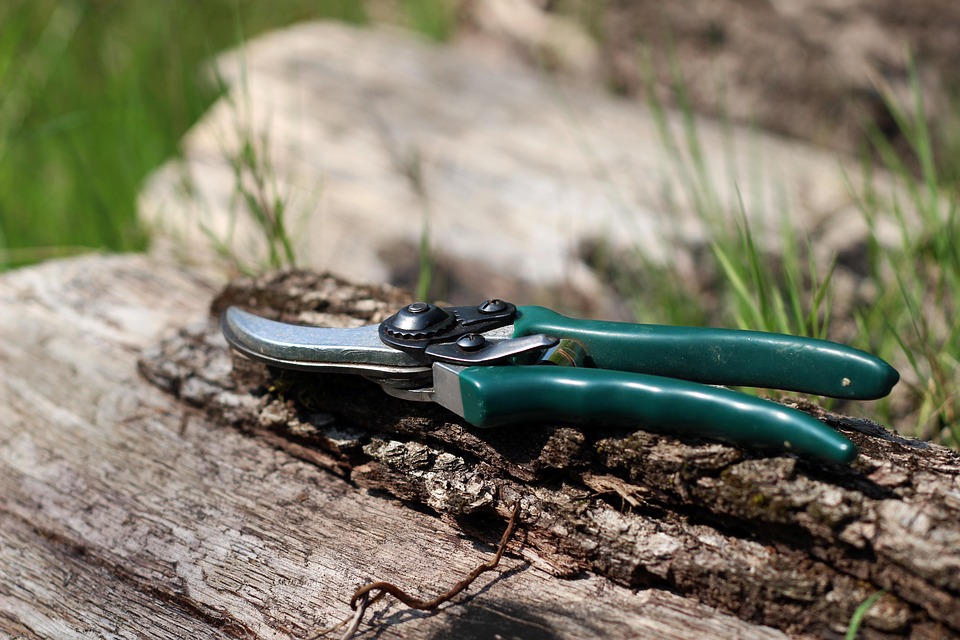
– **Pruning Shears**: Ideal for small branches and stems, these are a must-have for any gardener.
– **Loppers**: With long handles, loppers provide the leverage needed for cutting thicker branches.
– **Pruning Saws**: For larger branches, a pruning saw is necessary to make clean cuts.
– **Gloves**: Protect your hands from thorns and rough plant material with a good pair of gardening gloves.
Pruning Specific Flowering Plants
Different flowering plants have unique pruning requirements. Here are some tips for pruning common flowering plants:
Roses
Roses benefit greatly from regular pruning to encourage new growth and maximize blooms. Prune hybrid teas and floribundas in early spring, removing dead or crossing branches and cutting back healthy stems to an outward-facing bud.
Hydrangeas
The timing and method of pruning hydrangeas depend on the variety. Bigleaf hydrangeas bloom on old wood and should be pruned right after flowering, while panicle and smooth hydrangeas bloom on new wood and can be pruned in late winter or early spring.
Lavender
Lavender should be pruned after flowering to maintain its shape and prevent it from becoming woody. Cut back about one-third of the plant, avoiding cutting into old wood.
Common Pruning Mistakes to Avoid
Even experienced gardeners can make mistakes when it comes to pruning. Avoid these common pitfalls to ensure your plants remain healthy and vibrant.
– **Pruning Too Late**: Pruning at the wrong time can remove buds and reduce flowering potential.
– **Over-pruning**: Removing too much foliage can stress the plant and reduce its ability to photosynthesize.
– **Using Dull Tools**: Dull tools can damage plants by crushing or tearing stems rather than making clean cuts.
Conclusion
Mastering flower pruning is an essential skill for any gardener seeking vibrant and healthy blooms. By understanding the purpose of pruning, timing it correctly, using the right techniques and tools, and catering to the specific needs of each plant, you can transform your garden into a flourishing oasis. Whether you’re new to gardening or an experienced green thumb, these essential pruning tips will help you achieve the vibrant blooms you’ve always desired.
“`
#ChatGPT assisted in the creation of this article.