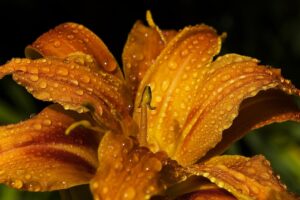
Flowers have been cherished for their beauty and the vibrancy they bring to our surroundings. However, to ensure that your flower plants thrive and continue to grace your garden or home with their splendor, mastering the art of flower plant care is essential. Whether you’re a seasoned gardener or a novice plant enthusiast, understanding the fundamental aspects of flower care can significantly enhance your gardening experience. In this article, we will delve into the essential tips and techniques required to nurture healthy and flourishing flower plants.
Understanding Your Flower’s Needs
Know Your Flower Type
The first step in mastering flower plant care is to understand the specific needs of the flowers you are growing. Different flowers have varying requirements for sunlight, water, soil, and temperature. For example, roses thrive in full sunlight, while ferns prefer shade. Researching and identifying the unique needs of your flower type is crucial for providing optimal care.
Soil Requirements
Soil quality plays a pivotal role in the health of your flower plants. Most flowers prefer well-drained soil rich in organic matter. Conduct a soil test to determine the pH level and nutrient content of your soil. Adjust the soil composition by adding compost, peat moss, or sand to ensure the ideal growing environment for your flowers.
Watering: The Lifeline for Flowers
Proper Watering Techniques
Watering is one of the most critical aspects of flower care. Overwatering or underwatering can lead to various problems, including root rot or dehydration. As a general rule, water your flowers deeply but infrequently. This encourages the roots to grow deeper and makes the plants more resilient during dry spells.
Timing and Frequency
The timing of watering is equally important. Early morning or late afternoon is the best time to water your flowers to minimize evaporation and allow the plants to absorb moisture efficiently. During hot weather, you may need to increase the frequency, while in cooler months, reduce it accordingly.
Light: The Energy Source
Understanding Light Requirements
Light is essential for photosynthesis, the process by which plants produce energy. Most flowering plants require at least six hours of sunlight per day, but this can vary. Observe your plants to ensure they are receiving adequate light. If they appear leggy or have discolored leaves, they may need more light.
Artificial Lighting
For indoor plants or in areas with limited natural light, consider using grow lights. These lights mimic the sun’s spectrum and provide the necessary light needed for your flowers to thrive. Position the light source about 6-12 inches above the plants for optimal results.
Feeding Your Flowers
Fertilization
Flowers need nutrients to grow strong and healthy. Fertilizing your plants regularly can provide the necessary nutrients that the soil may lack. Use a balanced, water-soluble fertilizer every month during the growing season. Be cautious not to over-fertilize, as this can damage the plants.
Organic Options
Organic fertilizers, such as compost or fish emulsion, are excellent alternatives for those looking to maintain an eco-friendly garden. They improve soil structure and provide a steady release of nutrients. Incorporate these into your gardening routine for sustainable flower care.
Pest and Disease Management
Identifying Common Pests
Flower plants are susceptible to various pests like aphids, spider mites, and caterpillars. Regularly inspect your plants for signs of pest infestation, which may include holes in leaves, sticky residue, or discolored foliage. Early detection is key to preventing widespread damage.
Natural Pest Control Methods
Consider using natural pest control methods, such as introducing beneficial insects like ladybugs or using neem oil sprays. These methods are effective in managing pests without harming the environment or beneficial pollinators.
Disease Prevention
Fungal diseases, such as powdery mildew and root rot, can wreak havoc on flower plants. Ensure proper air circulation around your plants by spacing them adequately. Avoid overhead watering to reduce moisture on the leaves, which can lead to fungal growth. If disease appears, remove affected areas promptly.
Pruning and Deadheading
The Benefits of Pruning
Pruning is an essential practice for maintaining healthy flower plants. It involves removing dead or diseased parts to promote new growth and improve air circulation. Pruning also helps shape the plant and encourages more blooms.
Deadheading for Continuous Blooms
Deadheading, or the removal of spent flowers, is vital for prolonging the blooming period of your plants. This practice prevents the plant from going to seed and redirects energy into producing more flowers. Regular deadheading will keep your garden looking vibrant and full of life.
Seasonal Flower Care
Spring and Summer Care
During the growing season, your flowers will require more attention. Ensure consistent watering, regular fertilization, and vigilant pest control. Mulching around your plants can help retain moisture and suppress weeds.
Fall and Winter Preparation
As the growing season winds down, it’s important to prepare your plants for the colder months. Cut back perennials to prevent disease and insulate the roots with mulch. For tender plants, consider bringing them indoors or using protective coverings during frost.
Conclusion
Mastering flower plant care involves understanding and meeting the specific needs of your plants. By focusing on proper watering, light, fertilization, pest management, and seasonal care, you can ensure that your flowers thrive and bring beauty to your garden year-round. With these essential tips revealed, you are now equipped to nurture your flower plants to their full potential, creating a stunning and resilient floral display.
#ChatGPT assisted in the creation of this article.