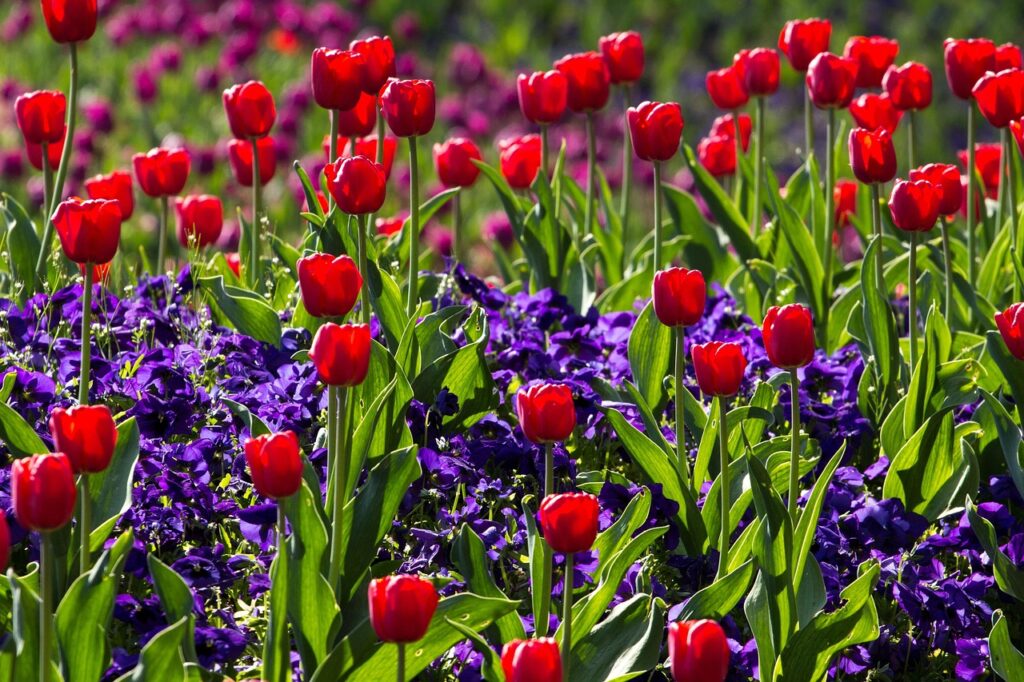
Tulips are renowned for their breathtaking beauty and are a staple in gardens around the world. With their vibrant colors and elegant shapes, tulips can transform any garden into a spectacle of springtime splendor. However, to ensure that your tulips bloom in all their glory, it’s essential to provide them with the right care. This article will guide you through the essential tulip care tips to ensure your blooms are vibrant and healthy.
Understanding Tulip Varieties
Before delving into care tips, it’s important to understand that there are several varieties of tulips, each with its unique characteristics. From Darwin Hybrids to Triumphs, each type may have specific needs, but the general care practices remain largely consistent. Familiarize yourself with the variety you have to cater to any specific requirements they might have.
Choosing the Right Location
Tulips thrive best in locations where they can receive full sun for at least six hours a day. Choose a spot in your garden that is well-drained to prevent waterlogging, as tulips do not like to sit in water. If your garden tends to retain water, consider planting tulips on a slope or in raised beds to improve drainage.
Soil Preparation
The quality of soil plays a crucial role in the health of your tulips. Aim for a soil pH between 6.0 and 7.0, which is slightly acidic to neutral. Before planting, enrich the soil with organic matter such as compost or well-rotted manure to improve its fertility and drainage properties. Avoid using fresh manure, as it can burn the bulbs.
Planting Tulip Bulbs
Timing
The ideal time to plant tulip bulbs is in the fall, about 6 to 8 weeks before the ground freezes. This allows the bulbs to establish roots before winter sets in. In most regions, this means planting tulips in late September to early November.
Depth and Spacing
Plant tulip bulbs at a depth that is three times the height of the bulb itself, usually around 6 to 8 inches deep. Space bulbs 4 to 6 inches apart to give them enough room to grow and ensure good air circulation, which helps prevent diseases.
Watering Requirements
Proper watering is crucial for tulip health but overwatering can be detrimental. After planting, water the bulbs well to help them settle in. In general, tulips require moderate watering. During the growing season, ensure the soil remains moist but not waterlogged. Reduce watering after the leaves begin to die back post-blooming.
Fertilization
Tulips are not heavy feeders, but they benefit from a well-balanced, slow-release fertilizer. Apply a low-nitrogen fertilizer when planting bulbs in the fall and again in early spring as new growth appears. Avoid high-nitrogen fertilizers as they can promote excessive leaf growth at the expense of blooms.
Pest and Disease Management
Common Pests
Tulips are susceptible to several pests, including aphids, slugs, and snails. Regularly inspect your plants and use appropriate organic or chemical controls as needed. Introducing beneficial insects like ladybugs can also help manage aphid populations naturally.
Disease Prevention
To prevent diseases, ensure good air circulation around your tulips and avoid overhead watering to reduce the risk of fungal infections. Remove and destroy any infected plants immediately to prevent the spread of disease.
Post-Bloom Care
Once your tulips have finished blooming, it’s important to care for them correctly to ensure future blooms. Allow the foliage to die back naturally, as the leaves continue to photosynthesize and store energy in the bulb for next year’s growth. Avoid cutting the leaves until they have turned yellow and withered.
Storing Tulip Bulbs
If you live in a region with very wet summers or if you want to change your garden’s design, you might consider lifting and storing tulip bulbs. Once the foliage has died back, carefully dig up the bulbs, let them dry, and store them in a cool, dry place until it’s time to plant them again in the fall.
Conclusion
With the right care, tulips can be a stunning and rewarding addition to your garden. By understanding their needs and providing the right environment, you can enjoy vibrant blooms year after year. Remember to choose the right location, prepare the soil properly, plant bulbs with care, and manage water, nutrients, and pests effectively. With these tips, your tulips will be well on their way to becoming the highlight of your spring garden.
By nurturing your tulips with attention and care, you not only enhance the beauty of your garden but also contribute to a legacy of horticultural excellence that can be enjoyed for generations to come.
#ChatGPT assisted in the creation of this article.